 Cairo Day Tours
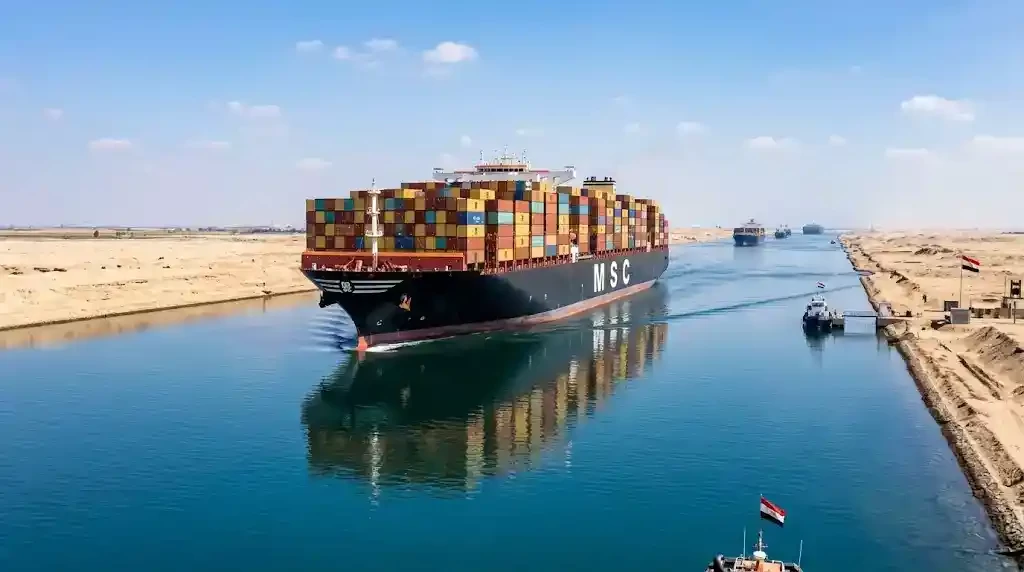
The Suez Canal is more than a shipping route connecting the Mediterranean Sea and the Red Sea. It is one of Egypt's most significant landmarks, a vital passage for international maritime trade, and a waterway that continues to attract global attention through its history and latest developments.
From its construction and opening in the nineteenth century to its role in modern global trade, the canal has witnessed major historical events and continues to influence international shipping and supply chains. Its surrounding cities, including Ismailia, Port Said, and Suez, also offer visitors an opportunity to discover a different side of Egypt.
In this guide, explore the Suez Canal's history, understand why it matters to the world, follow recent developments, and discover travel experiences around the Canal Zone. Whether you are visiting Egypt for the first time or already living in the country, this is an opportunity to explore a remarkable part of its geography and modern history.
Planning to discover Egypt beyond its famous ancient monuments? Plan your personalized Egypt experience with Kemerya Tours and let us help you explore suitable destinations and travel arrangements.
Why the Suez Canal Matters
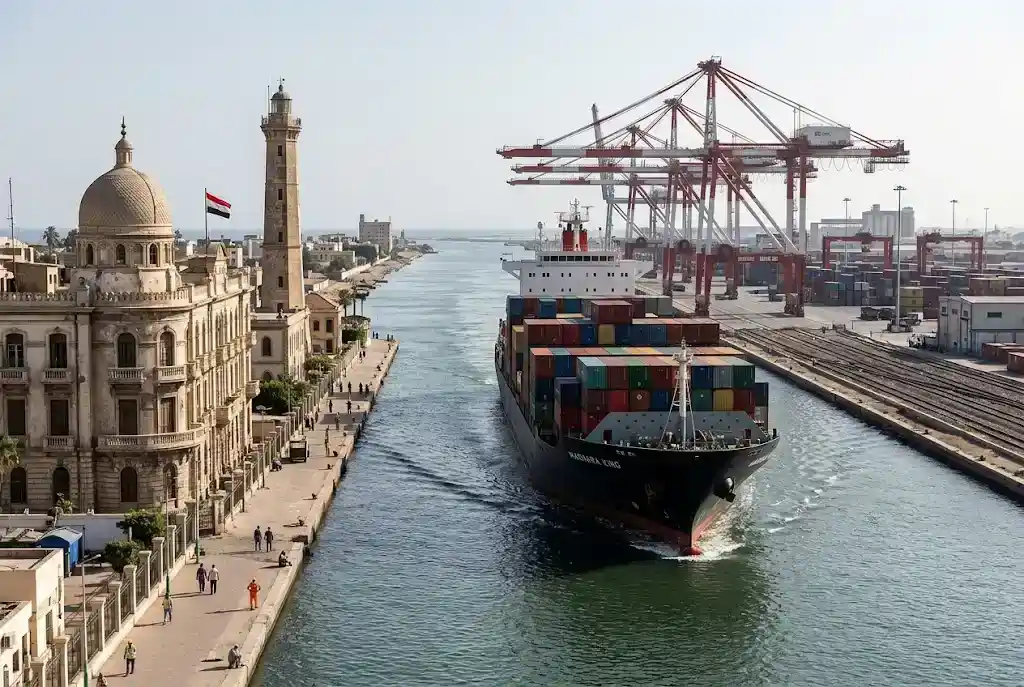
Few places in Egypt have an influence on the world as significant as the Suez Canal. Located between the Mediterranean Sea in the north and the Red Sea in the south, this artificial waterway connects major maritime routes between Europe and Asia.
For international shipping companies, it provides an important passage that can reduce sailing distances and travel time compared with routes around the southern tip of Africa. For Egypt, it represents a strategic national asset, a major source of maritime revenue, and an important part of the country's modern identity.
However, the Suez Canal is not only important because of the ships that pass through it. Its history reflects major chapters in Egypt's development, from nineteenth-century engineering and international trade to nationalization, conflict, reconstruction, and modernization.
Today, the canal continues to make headlines as shipping companies respond to changing conditions in the Red Sea and international trade. New maritime services, improvements in navigation, and developments in tourism are also shaping the region's future.
For travelers, discovering the Suez Canal offers a different perspective on Egypt. Beyond the Pyramids, temples, and Nile landscapes, you can explore the cities, history, and modern infrastructure surrounding one of the world's most recognized waterways.
What Is the Suez Canal
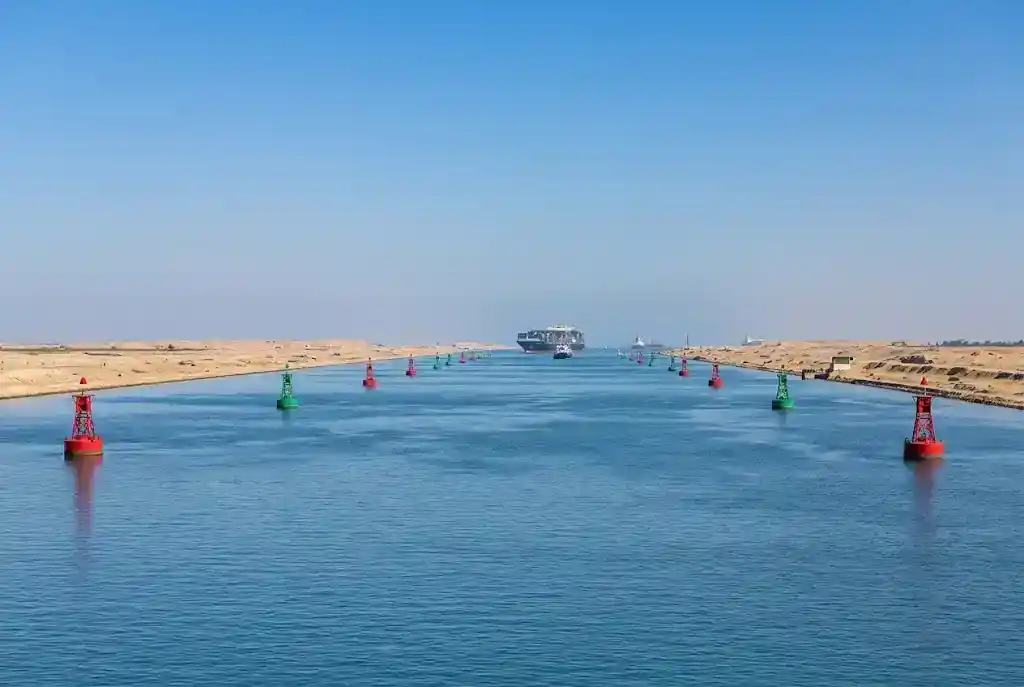
The Suez Canal is an artificial, sea-level waterway in northeastern Egypt. It connects the Mediterranean Sea at Port Said with the Red Sea near the Gulf of Suez, creating a direct maritime passage between Europe and Asia.
Unlike canals that use locks to manage differences in water levels, the Suez Canal is a sea-level canal. Ships can navigate through it without passing through a series of lock chambers.
The waterway crosses the Isthmus of Suez and separates the African and Asian landmasses. Its geographical position makes it one of the most important maritime corridors in international trade.
The canal is operated by the Suez Canal Authority, which is responsible for navigation, maintenance, development, and maritime services.
For commercial vessels, the canal offers an alternative to the much longer route around the Cape of Good Hope in southern Africa. This can make a considerable difference to voyage distance, fuel consumption, operating costs, and shipping schedules.
Where Is the Suez Canal Located
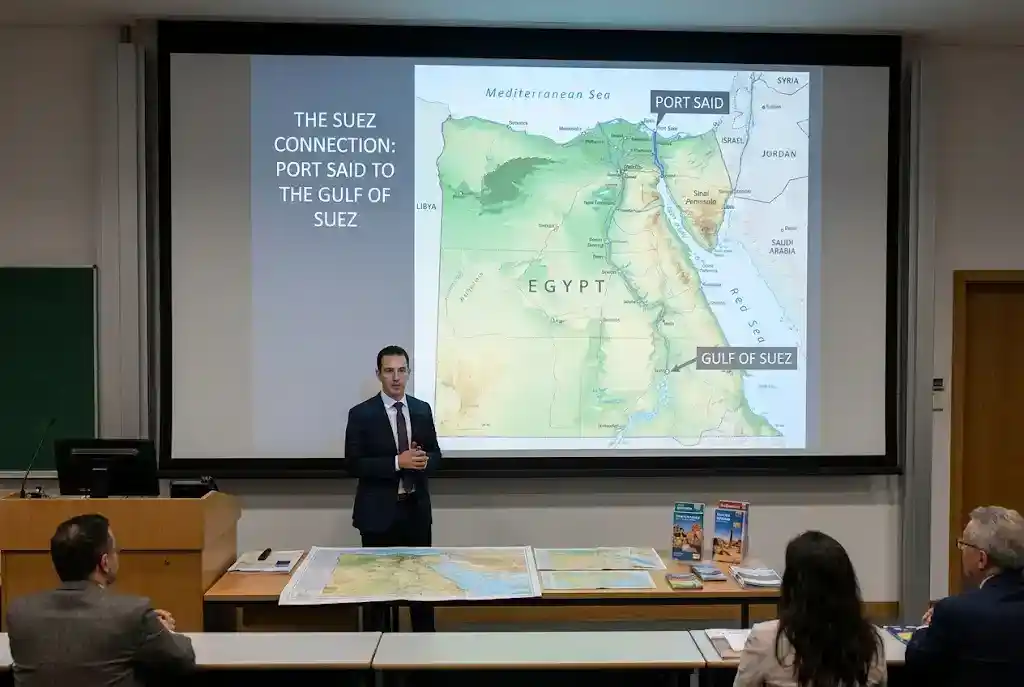
The Suez Canal is located in northeastern Egypt, extending from Port Said on the Mediterranean coast to the Gulf of Suez in the south.
Its route passes through several important geographical areas, including Lake Manzala, the city of Ismailia, the Great Bitter Lake, and the southern section leading toward Suez.
The surrounding region is commonly associated with three major Canal Zone cities:
- Port Said: Located at the northern entrance of the canal, where the waterway meets the Mediterranean Sea.
- Ismailia: Situated along the canal and known for its gardens, waterfront atmosphere, and connection to the canal's history.
- Suez: Located at the southern entrance, near the Gulf of Suez and the Red Sea.
Each city offers a different perspective on the canal and its relationship with Egyptian history, maritime activity, and everyday life.
The History of the Suez Canal
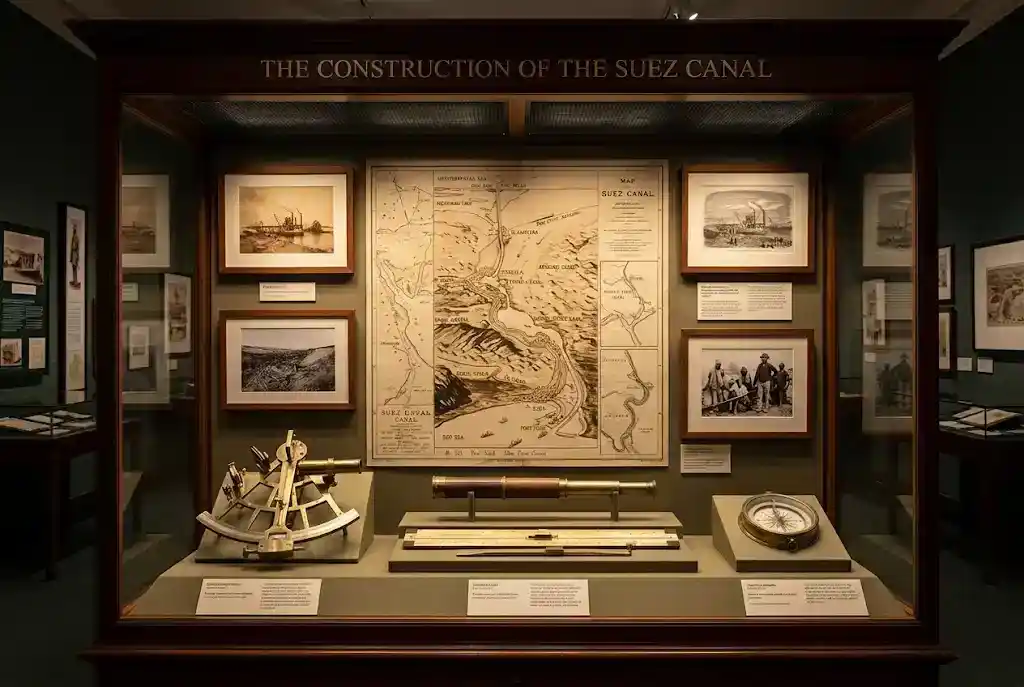
The idea of connecting the Mediterranean Sea and the Red Sea through a navigable waterway has ancient origins. However, the modern Suez Canal project began taking shape in the nineteenth century.
Construction Begins in 1859
The construction of the modern canal officially began on April 25, 1859, near the location of present-day Port Said. The project involved extensive excavation and engineering work across the Isthmus of Suez.
Thousands of Egyptian workers participated in the construction under extremely difficult conditions. The project transformed the geography of the region and created a new maritime route between two major seas.
The Opening in 1869
The Suez Canal officially opened on November 17, 1869. Its inauguration marked a major moment in international maritime history, creating a direct shipping connection between the Mediterranean and Red Seas.
Nationalization in 1956
One of the most important turning points in the canal's modern history came in 1956, when Egypt announced the nationalization of the Suez Canal Company. The decision became a defining moment in modern Egyptian history and was followed by the Suez Crisis.
The Closure and Reopening
The canal was closed following the 1967 Arab-Israeli War and remained closed for several years. It reopened in June 1975 after the region underwent major changes and restoration efforts.
The New Suez Canal Project
In 2015, Egypt inaugurated the New Suez Canal project, which included a new parallel waterway and improvements to existing sections. The project aimed to increase capacity, improve navigation, and reduce waiting times for vessels.
These milestones demonstrate how the canal has evolved from a nineteenth-century engineering project into a modern strategic waterway.
Why Is the Suez Canal So Important to Global Trade
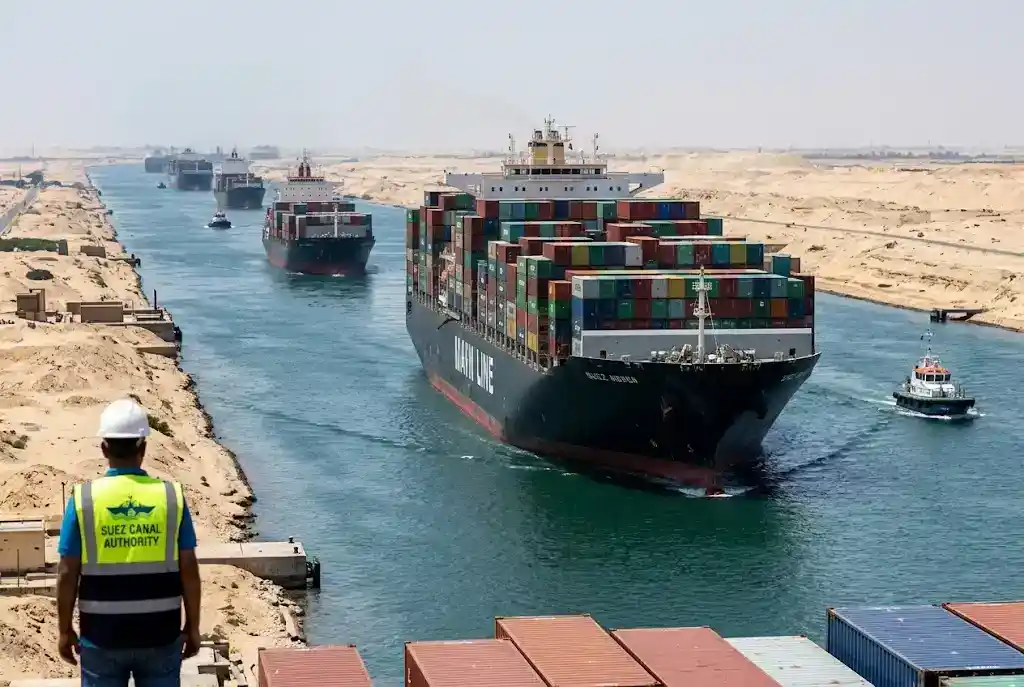
The Suez Canal plays a major role in international maritime transport because it provides a shorter connection between important commercial regions.
Without the canal, many vessels traveling between Europe and destinations in Asia would need to sail around the Cape of Good Hope in South Africa. Depending on the origin and destination, this alternative can add considerable distance and time to a voyage.
A Strategic Link Between East and West
The canal connects shipping routes serving European ports, the Mediterranean region, the Middle East, South Asia, and East Asia. Its location makes it particularly important for container shipping, energy transportation, and international cargo movement.
Reducing Travel Distance and Time
Using the Suez Canal can shorten many maritime journeys compared with the route around southern Africa. Shorter routes can help shipping companies manage fuel costs, vessel schedules, and operational expenses.
Supporting International Supply Chains
Products transported through international shipping networks include consumer goods, industrial equipment, raw materials, energy resources, and agricultural products.
Disruptions to canal traffic can therefore affect shipping schedules and supply chains far beyond Egypt. This is one reason why developments in the Suez Canal frequently receive international media attention.
Supporting the Egyptian Economy
Transit fees and maritime services make the canal an important economic asset for Egypt. Its performance is influenced by global trade, shipping demand, vessel routing decisions, and regional security conditions.
The Suez Canal in the News: Latest Developments in 2026
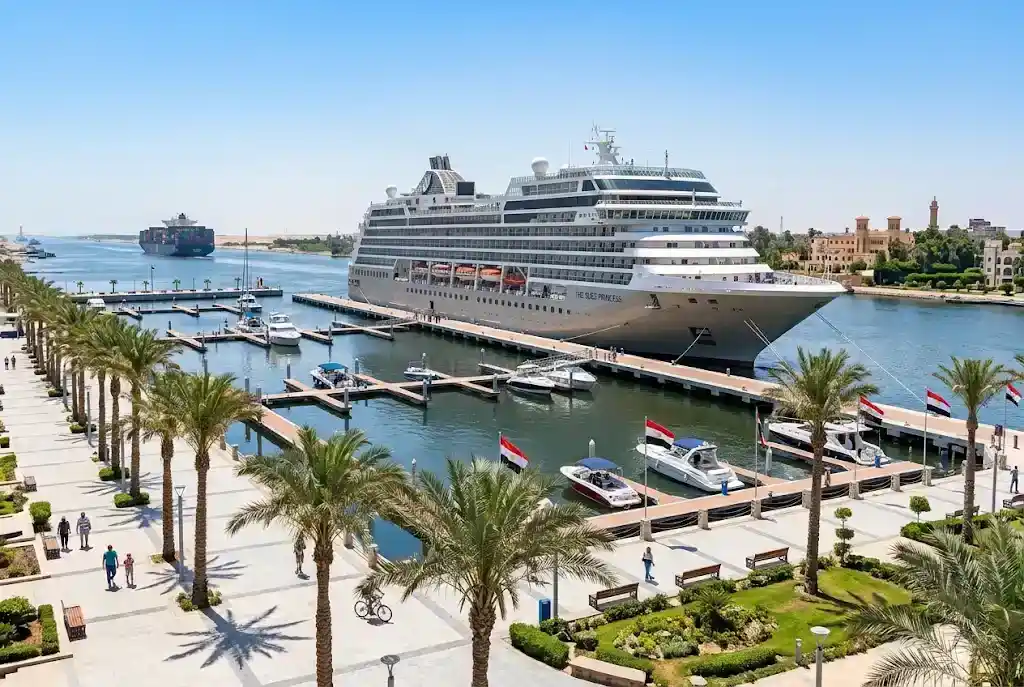
The Suez Canal continues to attract international attention as shipping companies respond to changes in regional conditions and global trade. Recent developments show how the waterway is adapting to changing maritime activity while Egypt continues to develop its services and tourism potential.
November 2026: Ismailia Receives a Cruise Ship at the Suez Canal Yacht Marina
One of the notable tourism developments took place on November 10, 2026, when the Suez Canal Yacht Marina in Ismailia received passengers aboard the cruise ship ASTORIA GRANDE.
The vessel made its first tourist stop and berth at the marina during its journey through Egyptian ports. According to the reported itinerary, some passengers were scheduled to visit attractions in Ismailia, including the Suez Canal Museum, local gardens, and religious landmarks.
This development highlights efforts to expand maritime tourism in the Canal Zone and create opportunities for organized visits to Ismailia and other Egyptian destinations.
November 2026: Vessel Traffic Reaches a New Monthly High Since the Red Sea Crisis
On November 5, 2026, Egypt Today reported that the Suez Canal recorded its highest monthly vessel traffic since the outbreak of the Red Sea crisis in October 2023.
According to figures announced by the Suez Canal Authority, 1,490 vessels transited the canal during October 2026, carrying a combined net tonnage of 88 million tons and generating approximately $724 million in revenue.
The figures represented a significant year-on-year improvement compared with October 2025, reflecting the gradual return of shipping activity.
September 2026: Improvements in Shipping Activity
Earlier reports also highlighted improvements in canal traffic. Data reported in October showed that September 2026 recorded the highest monthly vessel tonnage since December 2023, although the recovery remained uneven across shipping sectors.
What Do These Developments Mean?
These updates demonstrate that the Suez Canal remains closely connected to international trade, regional developments, and Egypt's maritime strategy.
They also show that the Canal Zone is attracting attention beyond commercial shipping, with new efforts to develop yacht marinas and receive international cruise passengers.
Because maritime conditions can change quickly, readers interested in the latest developments should follow official announcements from the Suez Canal Authority and reliable news sources.
The Red Sea Crisis and Its Impact on the Suez Canal
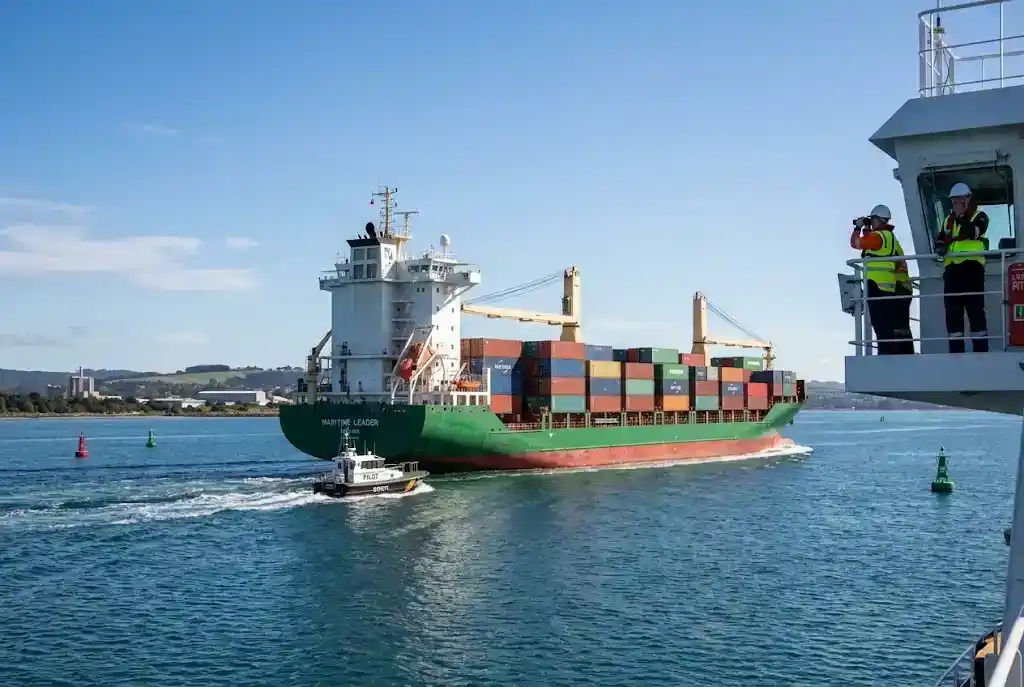
The Suez Canal's importance also means that regional security developments can have a direct effect on maritime traffic.
Since late 2023, attacks on commercial vessels in the Red Sea and surrounding maritime areas have led many international shipping companies to reconsider their routes. Some operators diverted vessels around the Cape of Good Hope to avoid risks associated with the Red Sea and Bab el-Mandeb Strait.
These diversions increased voyage distances and affected shipping schedules, operating expenses, and canal traffic.
Egypt also experienced a financial impact because canal revenues depend partly on the number and types of vessels using the waterway.
During 2026, reports indicated improvements in traffic and revenues as some shipping services gradually returned. However, a recovery in activity does not automatically mean that all shipping companies have returned to their previous routes.
The situation remains dependent on regional security, insurance conditions, shipping company decisions, and developments in international trade.
What Is the New Suez Canal
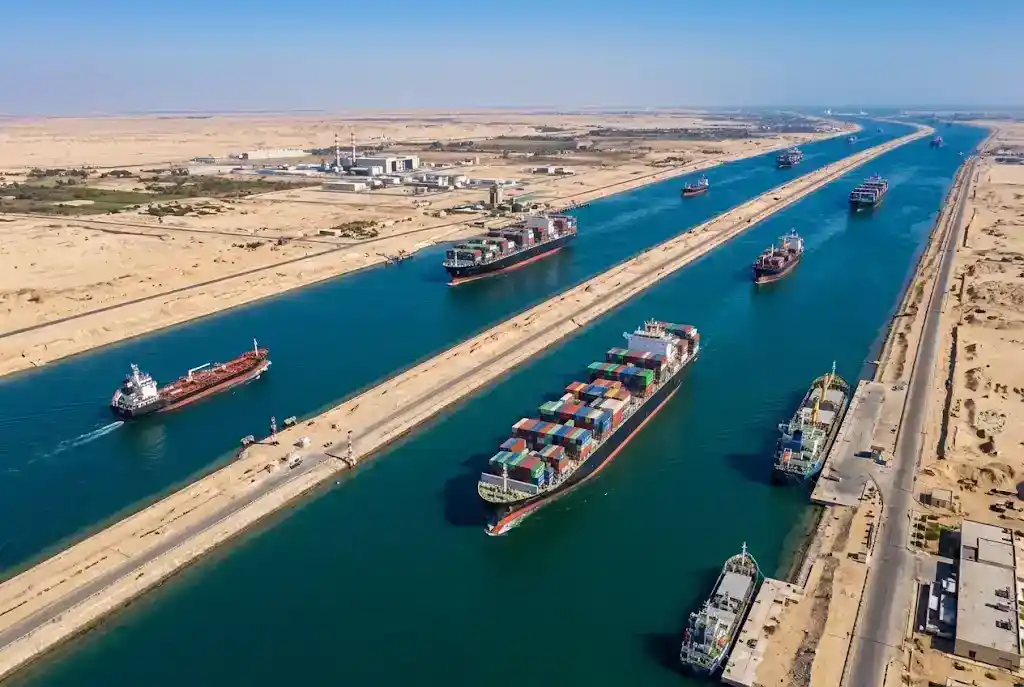
The New Suez Canal is an expansion project inaugurated in August 2015. It was designed to improve the capacity and efficiency of the existing waterway.
The project included the construction of a new parallel canal section, as well as deepening and widening works along existing sections and bypasses.
Its overall objective was to allow more vessels to navigate in both directions, reduce waiting times, and improve the canal's ability to accommodate the development of modern commercial ships.
The project represented a major infrastructure investment and an important stage in the modernization of the Suez Canal.
It is useful to distinguish between the New Suez Canal project and the original canal: the expansion did not replace the entire waterway, but improved selected sections and navigation capacity.
Is the Suez Canal a Tourist Attraction
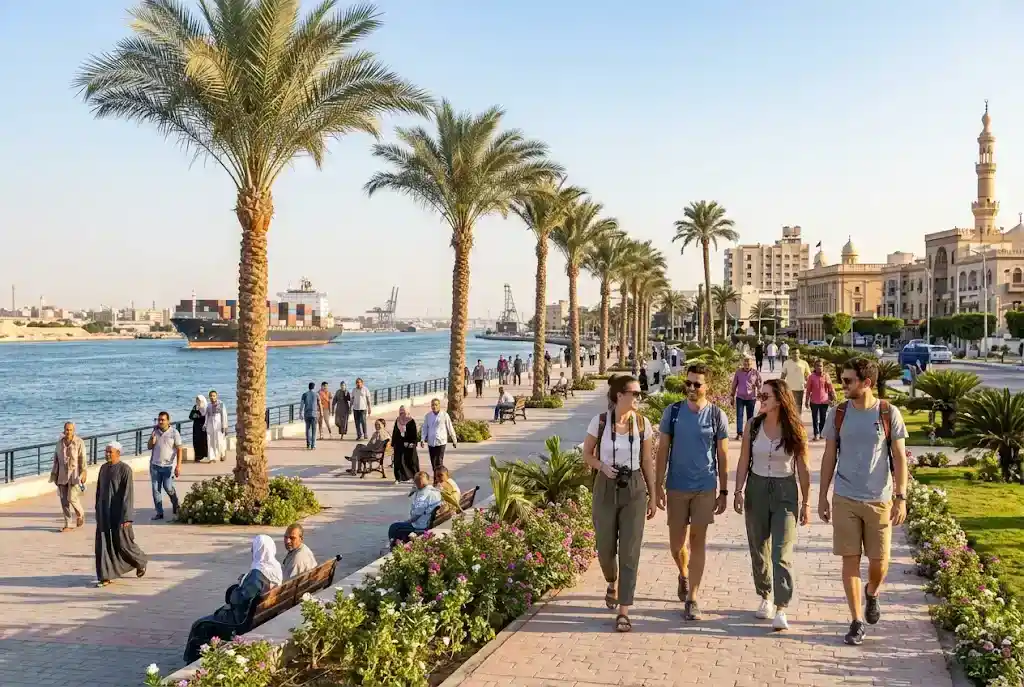
Although the Suez Canal is primarily an international shipping route, the surrounding region offers historical, cultural, and urban experiences that can be interesting for visitors.
Travelers can explore the Canal Zone cities, learn about the waterway's history, visit selected museums and waterfront areas, and discover how maritime activity has shaped the region.
However, the canal itself is an operational shipping waterway rather than a conventional tourist attraction. Public access to operational facilities, restricted areas, bridges, and specific waterfront locations may be controlled.
Visitors should not assume that they can enter Suez Canal Authority facilities, board commercial vessels, or take a boat trip along the canal without specific authorization and confirmed arrangements.
A well-planned visit should focus on accessible attractions and approved visitor experiences in the surrounding cities.
Ismailia: Discover the City Along the Canal
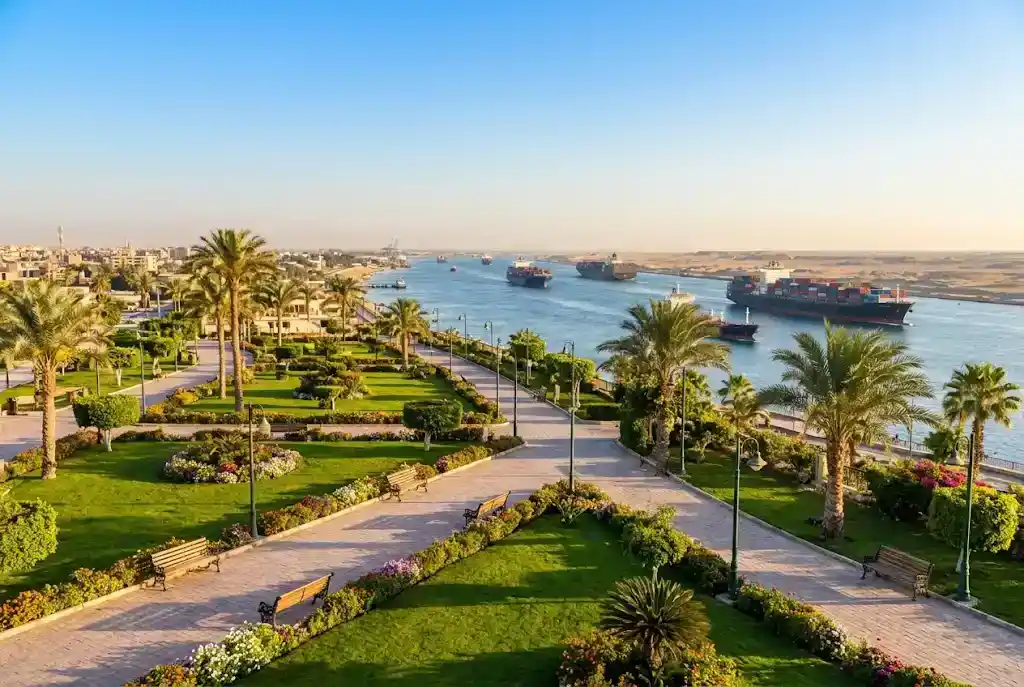
Ismailia is one of the most distinctive cities in the Canal Zone. Located alongside the Suez Canal and near the Great Bitter Lake, it offers a different atmosphere from Egypt's larger urban centers.
The city is known for its gardens, waterfront surroundings, and historical relationship with the construction and operation of the canal.
The Suez Canal Museum
The Suez Canal Museum is an important attraction for visitors interested in understanding the history and development of the waterway.
Its collections and historical materials help explain the canal's construction, maritime role, and connection to Egypt's modern history. Before visiting, check the museum's current opening arrangements and visitor information.
Ismailia Gardens and Waterfront Areas
Ismailia is also known for its green spaces and waterfront atmosphere. Exploring selected public areas can offer a relaxing contrast to the busy streets of larger Egyptian cities.
Maritime Tourism Developments
The arrival of ASTORIA GRANDE at the Suez Canal Yacht Marina in November 2026 highlighted the city's potential as a destination for maritime tourism and organized shore excursions.
For visitors interested in combining modern Egyptian history with local sightseeing, Ismailia can be an interesting addition to a wider travel itinerary.
Port Said: The Northern Gateway of the Suez Canal
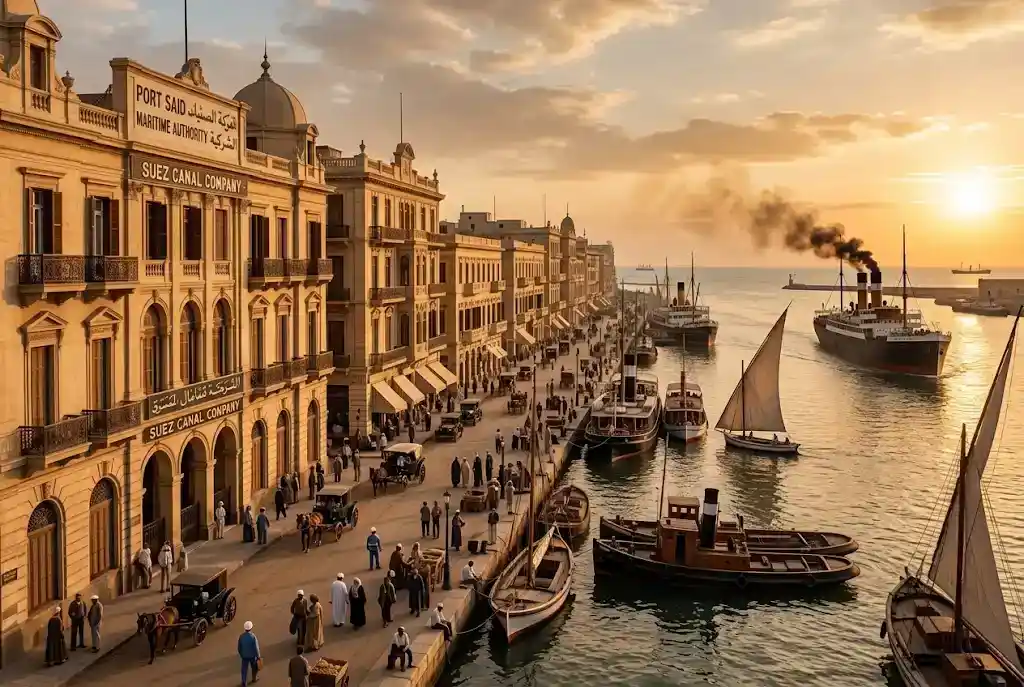
Port Said is located at the northern entrance of the Suez Canal, where the waterway meets the Mediterranean Sea. Its location has shaped the city's history, architecture, economy, and identity.
Established in the nineteenth century during the construction of the canal, Port Said developed as an important maritime and commercial center.
Port Said's Historical Importance
The city has witnessed major events in modern Egyptian history, including the 1956 Suez Crisis. Its historical landmarks and museums offer visitors opportunities to learn about these events and their significance.
Port Said National Museum
The Port Said National Museum is one of the cultural attractions associated with the city. Its collections cover different periods of Egyptian history and can help visitors understand the region's broader historical background.
Port Fouad
Located across the canal from Port Said, Port Fouad offers a different urban atmosphere and waterfront views. It is another area visitors may consider when exploring the northern Canal Zone.
Port Said can be an interesting destination for travelers who enjoy maritime history, coastal scenery, museums, and discovering Egyptian cities beyond the traditional tourist circuit.
Suez City: Exploring the Southern Entrance
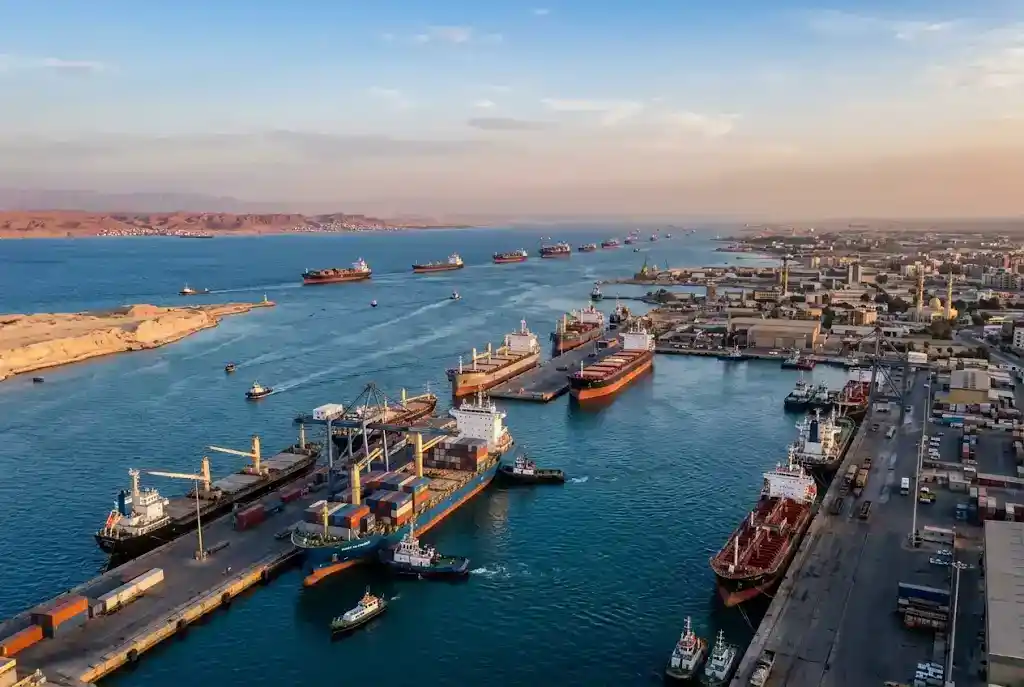
Suez City lies at the southern entrance of the Suez Canal, close to the Gulf of Suez and the northern Red Sea region.
The city's identity is closely connected to maritime trade, industry, and major events in Egypt's modern history.
Visitors interested in the canal's southern section can explore selected public areas and learn about the city's relationship with the waterway.
The Suez National Museum
The Suez National Museum presents historical artifacts and materials related to Egypt's history, maritime navigation, trade, mining, and shipbuilding.
It provides a useful cultural perspective for anyone interested in understanding the historical and geographical importance of the southern Canal Zone.
Depending on your travel plans, Suez can be included as part of a wider journey exploring the canal region and nearby destinations.
Can You Take a Boat Trip Through the Suez Canal
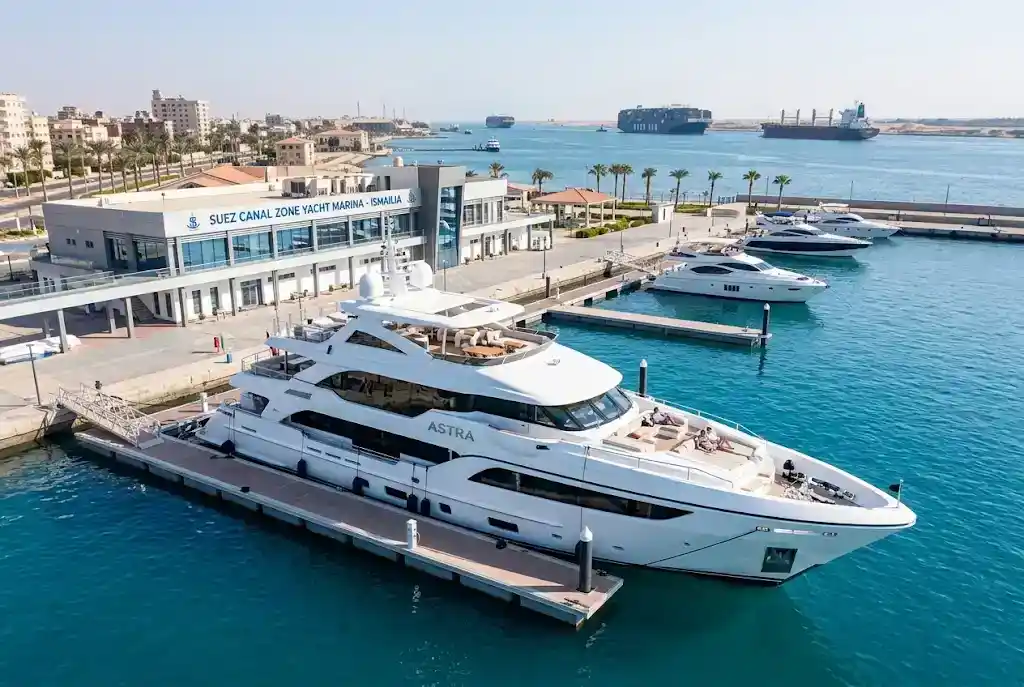
One of the questions travelers often ask is whether they can take a boat trip through the Suez Canal and experience the waterway from the deck of a vessel.
The canal is an active international shipping route with strict navigation procedures. It is not a regular public sightseeing waterway where visitors can independently book a short recreational boat ride through the entire canal.
Some maritime tourism developments, yacht marina services, and cruise itineraries may offer opportunities to experience parts of the Canal Zone. However, the exact route, boarding arrangements, access permissions, and availability depend on the operator and relevant authorities.
Before making plans, confirm whether the experience is genuinely available to visitors and what it includes.
For most travelers, exploring Ismailia, Port Said, and Suez through accessible city attractions and organized sightseeing is a more straightforward way to discover the region.
Best Ways to Include the Suez Canal Region in Your Egypt Trip
The Canal Zone can be explored as a separate destination or considered as part of a wider Egypt itinerary, depending on your starting point and available time.
A Cultural Visit to Ismailia
Travelers interested in the canal's history can consider a visit to Ismailia, with time allocated for suitable museums, public areas, and local sightseeing.
Discovering Port Said
Port Said can be a good choice for visitors interested in maritime history, Mediterranean scenery, and the city's historical character.
Exploring More Than One Canal City
If you have additional time, you may consider a longer itinerary that includes more than one Canal Zone city. The route and duration should be planned according to the attractions you want to visit and the time available.
Combining the Canal Region with Other Egyptian Destinations
Visitors with several days available may want to combine a visit to the Canal Zone with other destinations in Egypt. Depending on the itinerary, this could include Cairo, Alexandria, or other historical and coastal locations.
Explore our Egypt Travel Packages for ideas, or contact us to discuss a personalized route that matches your schedule.
How to Plan Your Visit to the Suez Canal
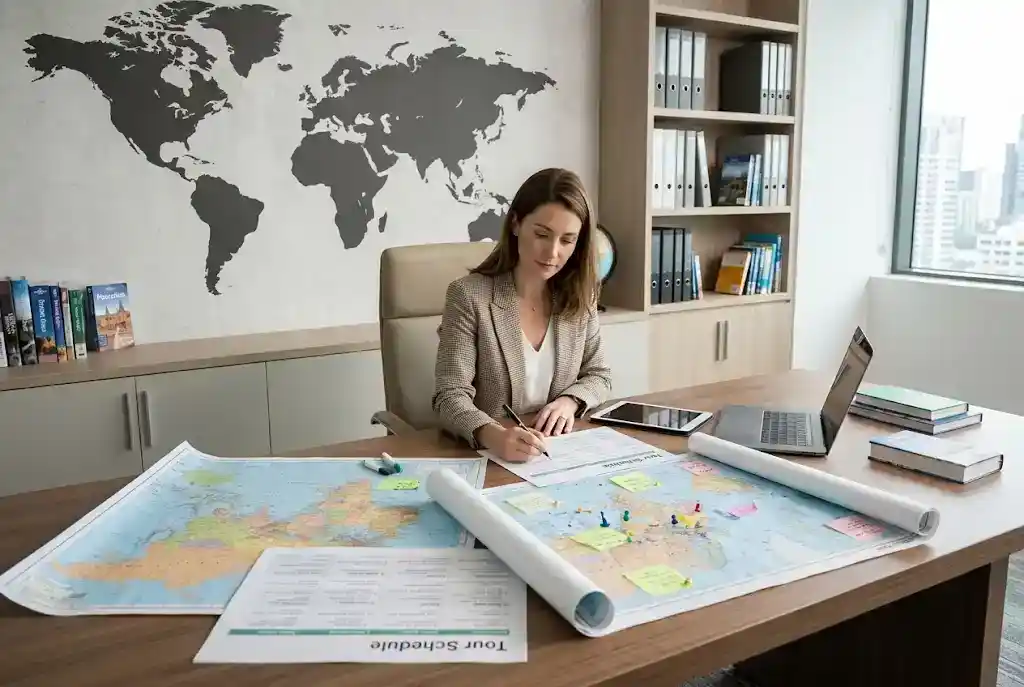
A successful visit to the Suez Canal region starts with choosing the right city and understanding what you want to experience.
- Choose your destination: Decide whether you want to explore Ismailia, Port Said, Suez, or more than one city.
- Check travel time: Consider your starting location and the time needed for road transportation.
- Research attractions: Confirm museum opening times, access arrangements, and any visitor requirements.
- Check current conditions: Operational maritime areas and certain locations may have access restrictions.
- Arrange transportation: Consider a private vehicle or suitable transportation arrangement for a more comfortable journey.
- Plan around your interests: Decide whether you prefer history, museums, waterfront areas, or a wider sightseeing experience.
If you are visiting Egypt for a limited period, organizing transportation and sightseeing in advance can help you use your available time more effectively.
Why Explore Egypt with Kemerya Tours
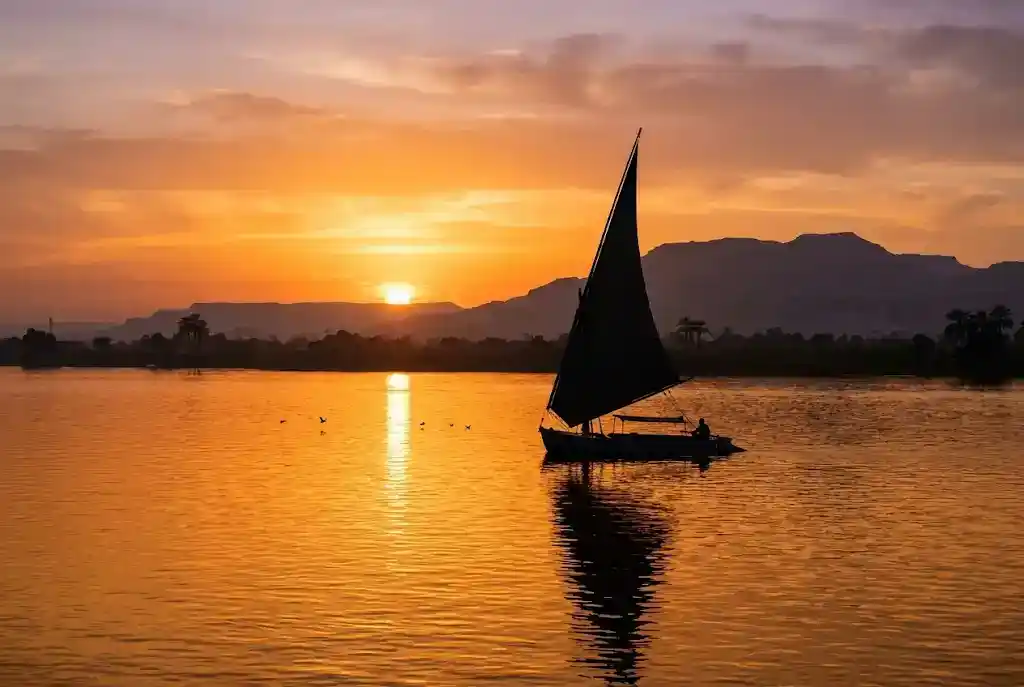
Discovering a destination is more enjoyable when the travel arrangements match your interests and available time.
At Kemerya Tours, we help travelers explore Egypt through private sightseeing experiences and personalized travel arrangements.
Whether you are interested in Egyptian history, cultural landmarks, coastal destinations, or a multi-city itinerary, our team can help you discuss suitable travel options.
When planning your trip, you can benefit from:
- Private sightseeing arrangements.
- Personalized itineraries based on your interests.
- Private air-conditioned transportation for suitable routes.
- Professional guides for relevant historical sightseeing experiences.
- Flexible travel planning based on your available dates.
- Assistance with organizing multi-day Egypt travel experiences.
For travelers interested in exploring Egypt beyond the Canal Zone, you can also discover our Egypt Day Tours and Egypt Travel Packages.
If your plans include coastal destinations or a longer journey, explore our Egypt Shore Excursions and Egypt Nile Cruise Tours as well.
Plan Your Egypt Experience with Kemerya Tours
Discover More of Egypt Beyond the Suez Canal
The Suez Canal tells an important story about Egypt's history, geography, and connection to the world. But it is only one part of what makes the country worth exploring.
From the historic cities of the Canal Zone to the ancient wonders of Cairo, the temples of Luxor, the beauty of Aswan, and the coastal landscapes of the Red Sea, Egypt offers a wide range of experiences for every type of traveler.
Whether you are planning a short visit, a private sightseeing experience, or a longer journey across the country, Kemerya Tours can help you explore suitable options based on your interests and schedule.
Ready to discover Egypt your way?
Request Your Personalized Egypt Trip Today
Tell us where you would like to go, how many days you have, and what kind of experience you are looking for. Our team will help you explore the available arrangements for your journey.
You can also contact us directly:
- Email: info@kemeryatours.com
- WhatsApp: +20 127 505 0450
Your next Egypt experience starts with a plan. Let's create yours.
Frequently Asked Questions About the Suez Canal
Frequently Asked Questions About the Suez Canal
Where is the Suez Canal located?
The Suez Canal is located in northeastern Egypt. It connects the Mediterranean Sea at Port Said with the Red Sea near the Gulf of Suez.
Why is the Suez Canal important?
It provides a shorter maritime route between Europe and Asia, helping international shipping companies reduce voyage distances and supporting global trade and supply chains.
When was the Suez Canal opened?
The modern Suez Canal officially opened on November 17, 1869.
Who operates the Suez Canal?
The Suez Canal Authority is responsible for managing the waterway, navigation, maintenance, development, and related maritime services.
Can tourists visit the Suez Canal?
Visitors can explore accessible attractions and cities in the Canal Zone, including Ismailia, Port Said, and Suez. Access to operational canal facilities and restricted areas is controlled and may require special authorization.
Can I take a boat trip through the Suez Canal?
The canal is an operational commercial shipping route, not a regular public sightseeing waterway. Certain maritime tourism experiences may be available through approved operators, but visitors should confirm the arrangements and permissions in advance.
What are the best cities to explore around the Suez Canal?
Ismailia, Port Said, and Suez are the main cities associated with the Canal Zone. Each offers a different historical, cultural, and geographical perspective.
What happened at the Suez Canal in November 2026?
Among the notable developments, the Suez Canal Yacht Marina in Ismailia received its first cruise ship, ASTORIA GRANDE, on November 10, 2026. Earlier in November, reports also highlighted improved vessel traffic through the canal.
Can I include the Suez Canal region in a private Egypt itinerary?
You can contact Kemerya Tours to discuss a personalized Egypt itinerary and ask about suitable visits to the Canal Zone, subject to route feasibility, attraction availability, and access requirements.
How can I book a private Egypt trip?
Visit the Plan My Trip page and share your preferred destinations, travel dates, and group size. Kemerya Tours can help you explore suitable arrangements.