 Cairo Day Tours
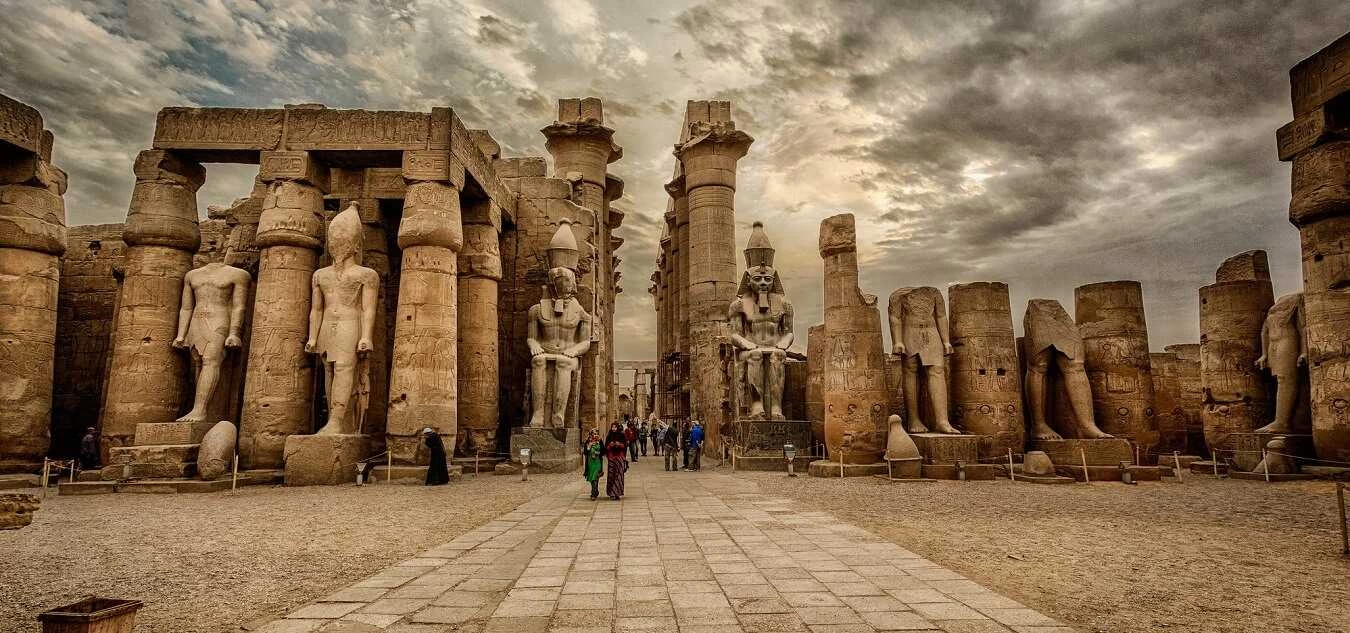
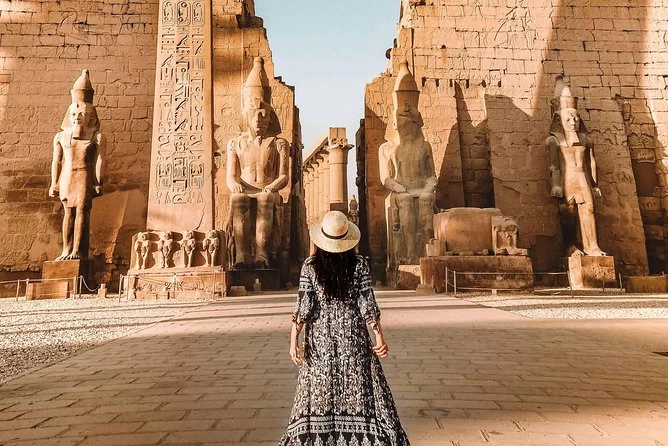
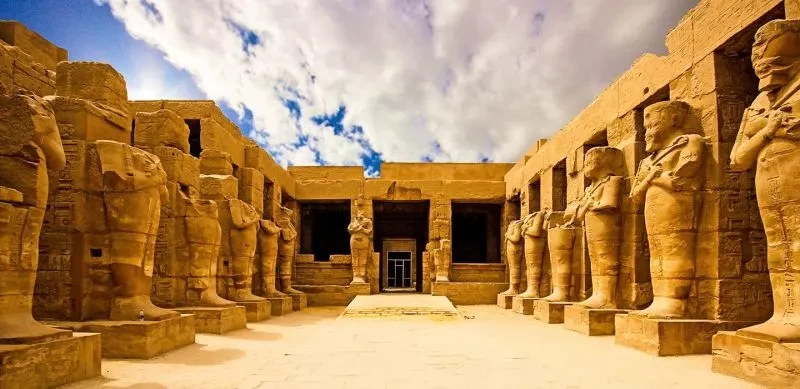
Karnak Temple is the largest religious complex ever built and one of Egypt's most extraordinary historical attractions. Located on the east bank of the Nile in Luxor, the temple was expanded by generations of pharaohs over nearly 2,000 years. Its impressive architecture, giant columns, and beautifully preserved hieroglyphs make it a must-visit destination for history lovers.
The Great Hypostyle Hall
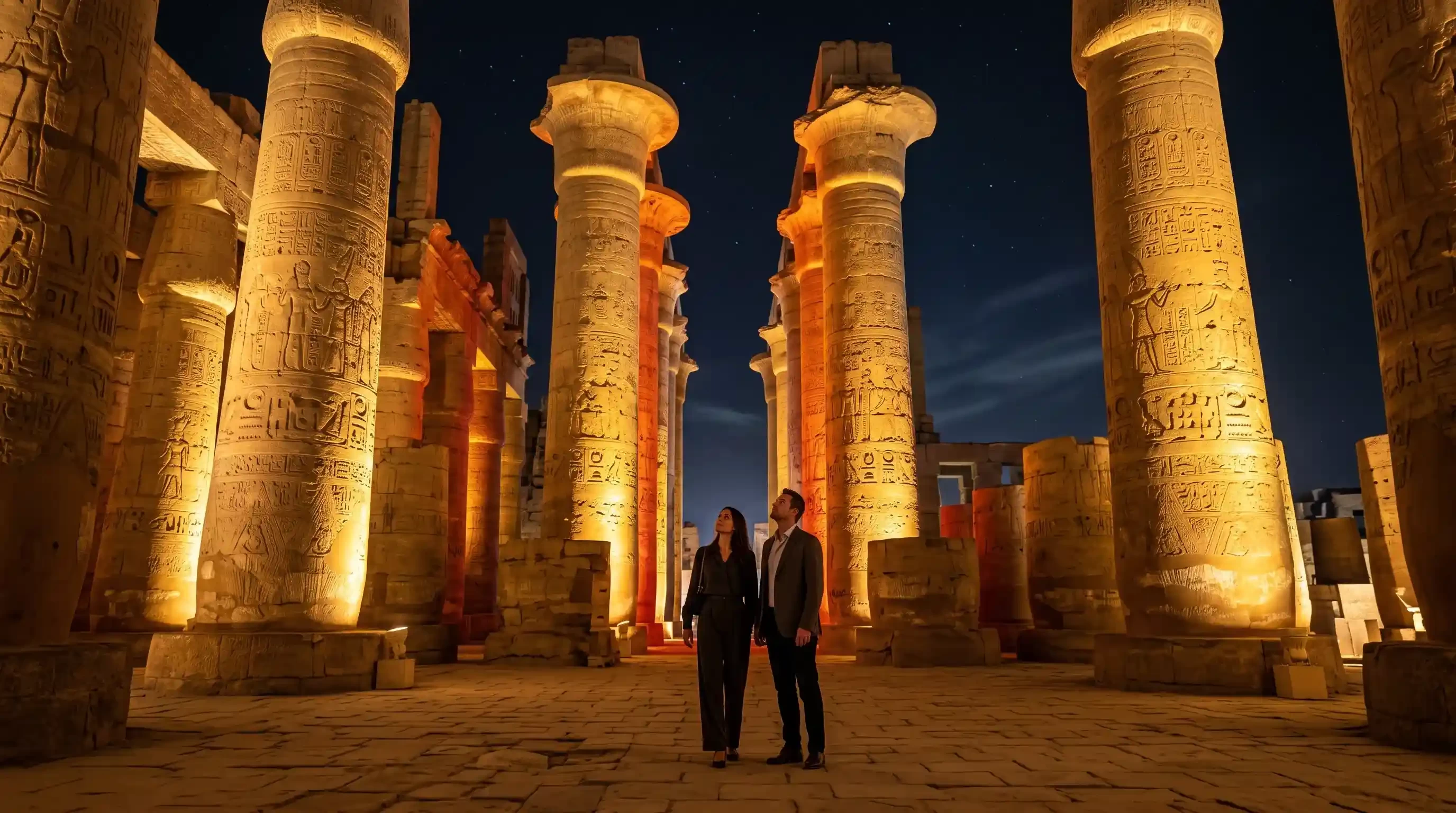
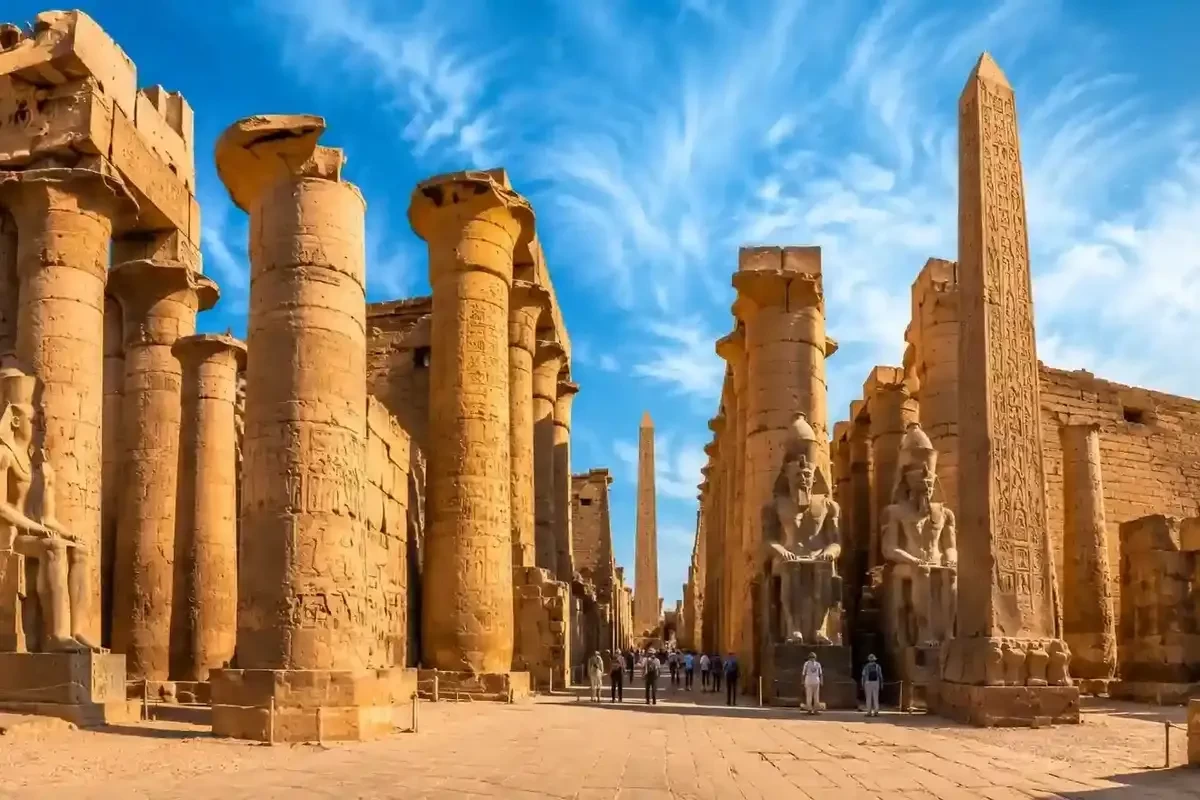
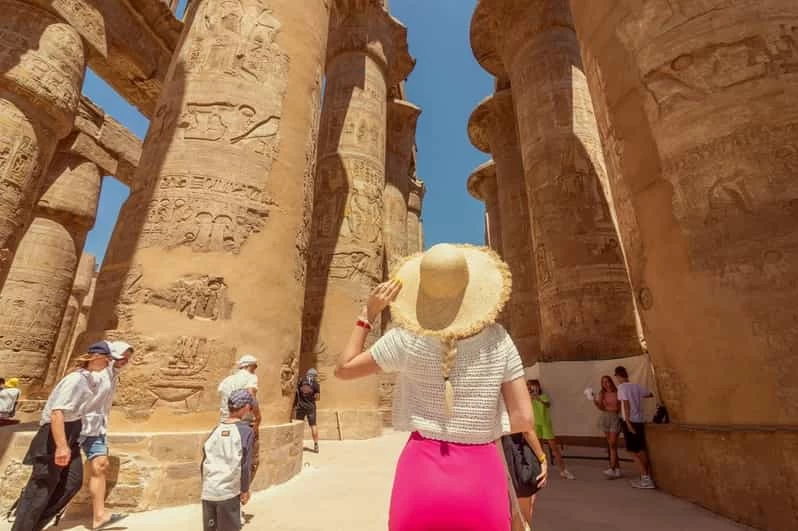
The Hypostyle Hall is one of Karnak's most famous features, containing 134 massive sandstone columns decorated with intricate hieroglyphs. Walking through this enormous hall gives visitors a true sense of the scale and grandeur of ancient Egyptian architecture.
Sacred Lake and Obelisks
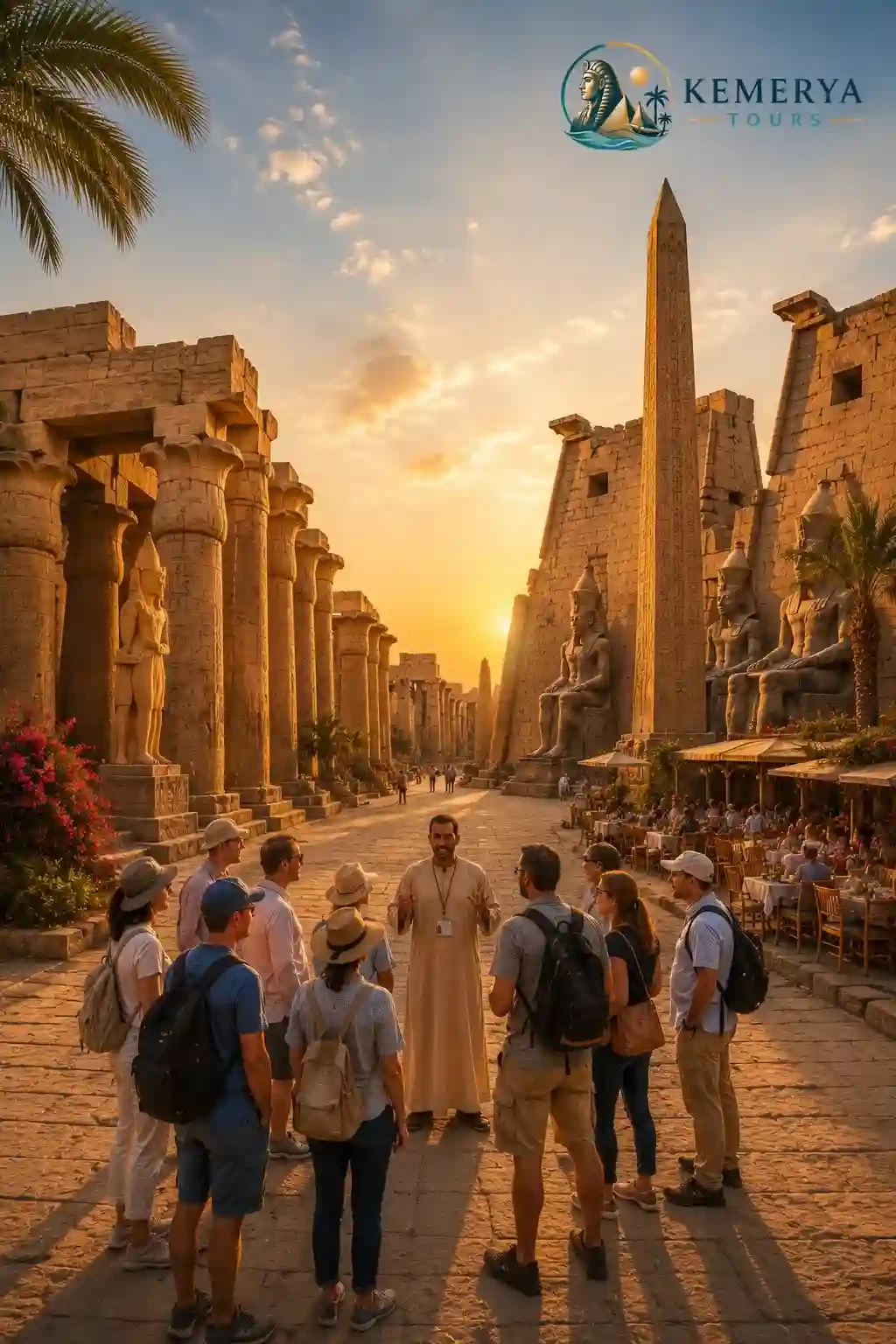
Karnak is home to a large Sacred Lake used by priests for religious purification rituals. Visitors can also admire towering obelisks, including the famous Obelisk of Queen Hatshepsut, one of the tallest surviving obelisks in Egypt.
The History of Karnak Temple
Construction began during the Middle Kingdom and continued through the New Kingdom under many pharaohs, including Seti I, Ramses II, Hatshepsut, and Thutmose III. Each ruler added new temples, statues, pylons, and sanctuaries, creating one of history's greatest architectural achievements.
Visiting Karnak Temple Today
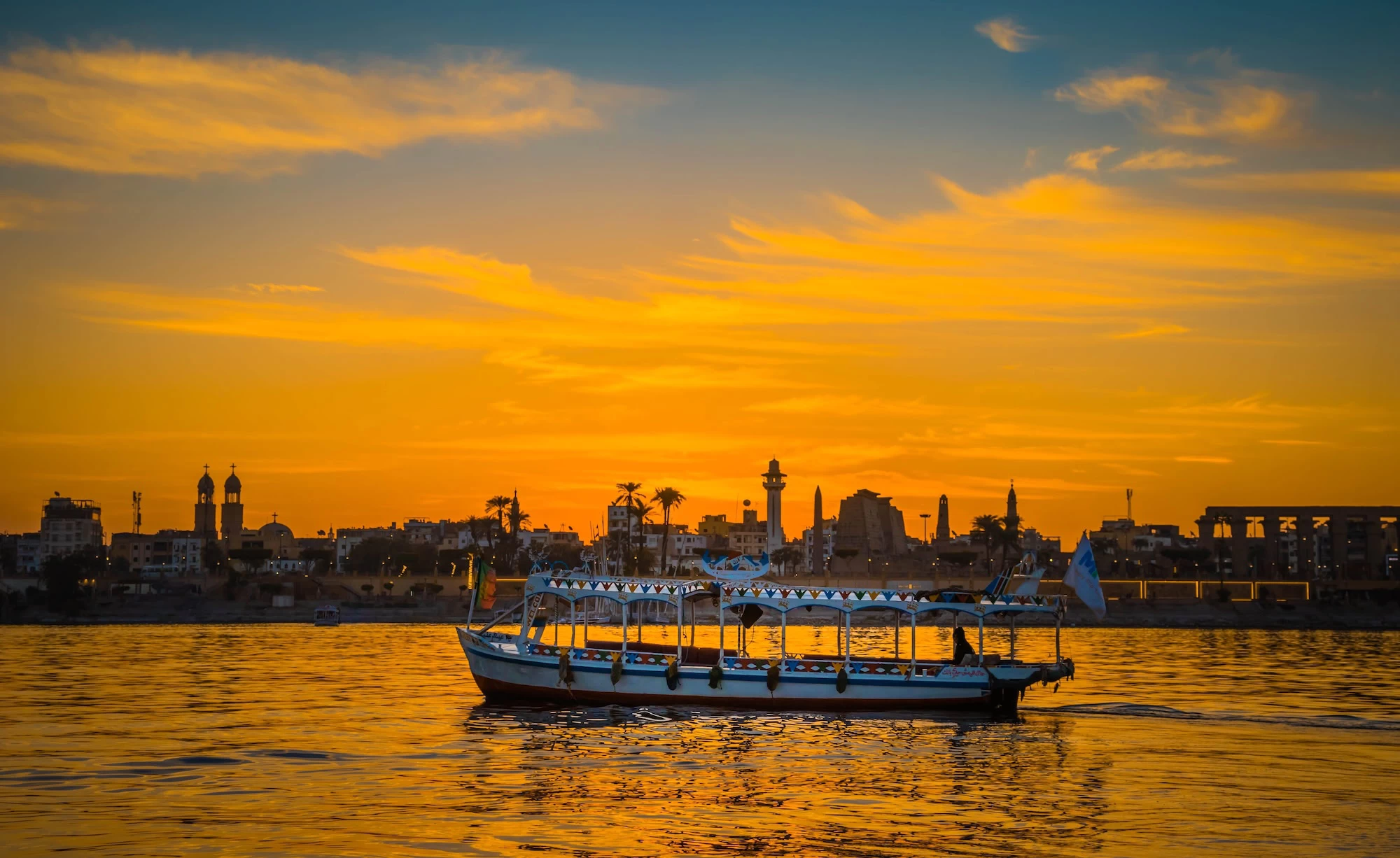
Karnak Temple is one of the highlights of any Luxor itinerary. Visitors can explore the vast complex during the day or attend the famous Sound and Light Show in the evening, where ancient history comes alive through dramatic storytelling and colorful illumination.