 Cairo Day Tours
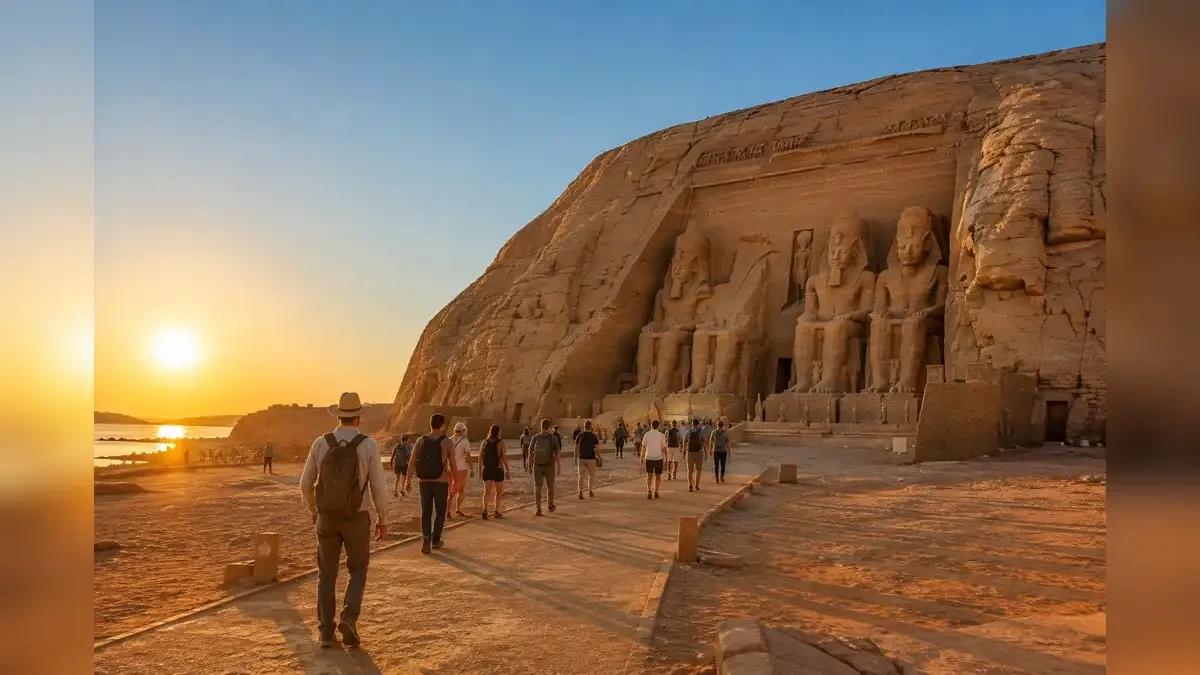
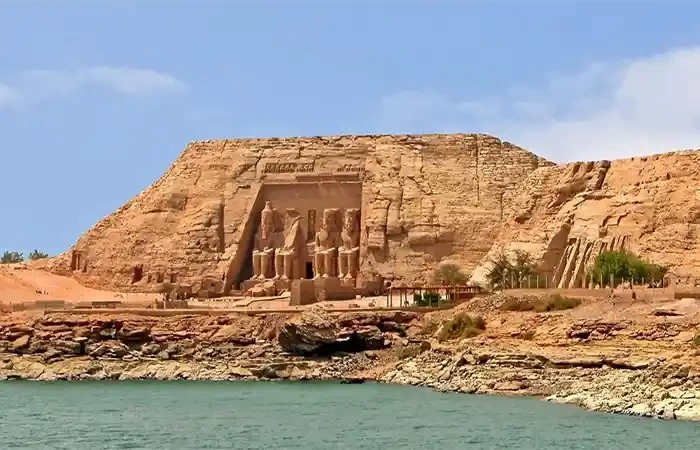
Located near Egypt's southern border, the Abu Simbel Temples are among the country's most spectacular ancient monuments. Built by Pharaoh Ramses II during the 13th century BC, the temples were carved directly into solid rock to celebrate his victories and honor the gods. Today, they attract travelers from around the world who come to admire their colossal statues, detailed carvings, and fascinating history.
The Great Temple of Ramses II
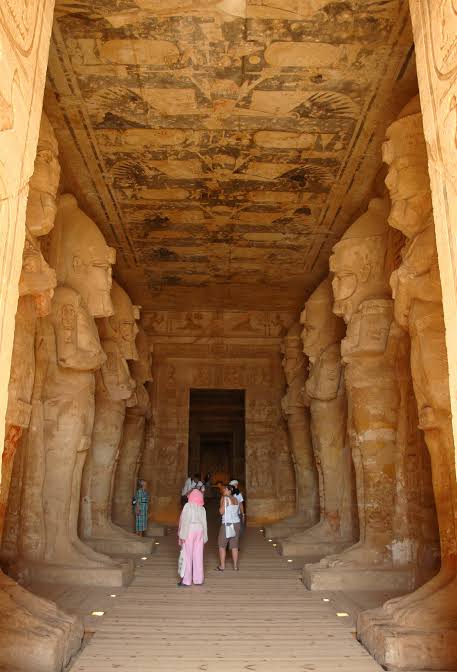
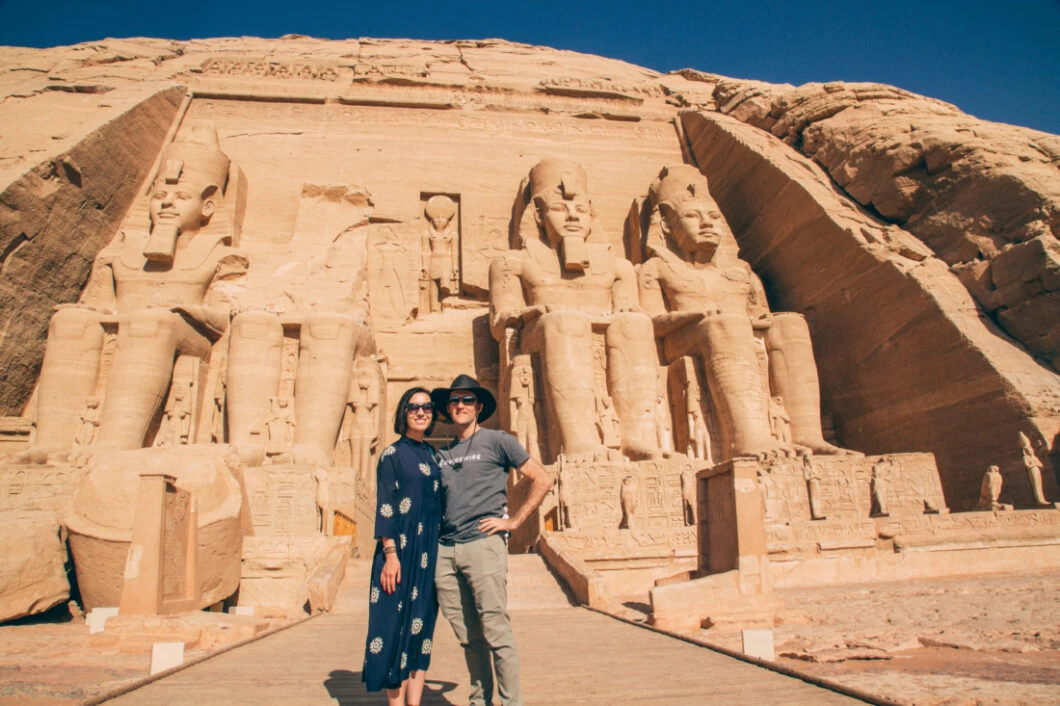
The main temple features four enormous statues of Ramses II seated at its entrance. Inside, beautifully decorated halls tell stories of military victories, religious ceremonies, and royal achievements through detailed reliefs and inscriptions.
The Temple of Queen Nefertari
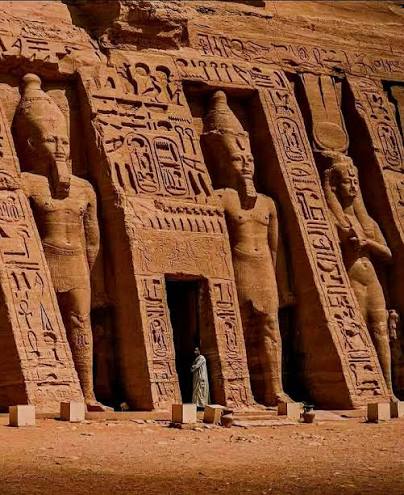
Dedicated to Queen Nefertari and the goddess Hathor, the smaller temple is one of the few ancient Egyptian temples honoring a queen alongside a pharaoh. Its elegant carvings highlight the important role of royal women in ancient Egypt.
The Incredible Relocation Project
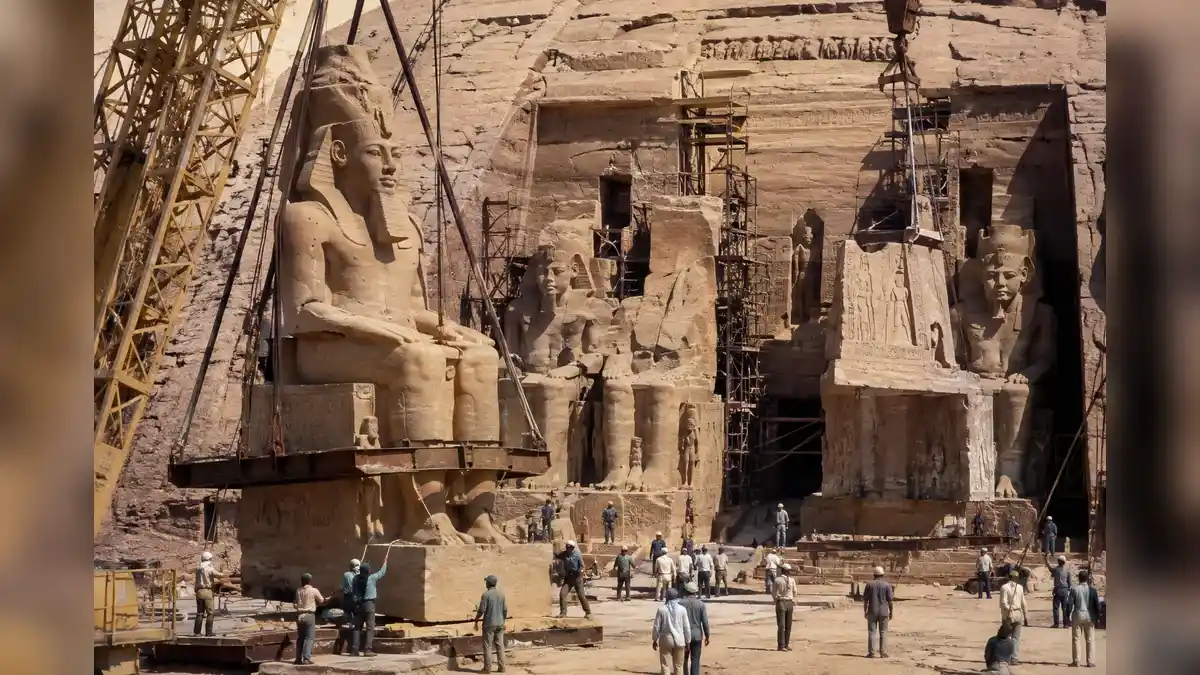
In the 1960s, the Abu Simbel Temples faced the threat of flooding due to the construction of the Aswan High Dam. An international UNESCO campaign carefully relocated the temples block by block to higher ground, preserving this priceless cultural treasure.
Best Time to Visit Abu Simbel